
Visual Impact 2026 A Success
Connecting the Industry, Exploring Innovation and Celebrating Excellence
Visual Impact 2026 brought together the print, signage, and visual communications industries for an event that combined technology, business insight, sustainability, leadership, and celebration. With a strong exhibition floor, a comprehensive Connect Conference program and the ASGA Awards 2026, the event provided an opportunity for businesses and industry professionals to discover new possibilities, share ideas, and consider what the future holds.
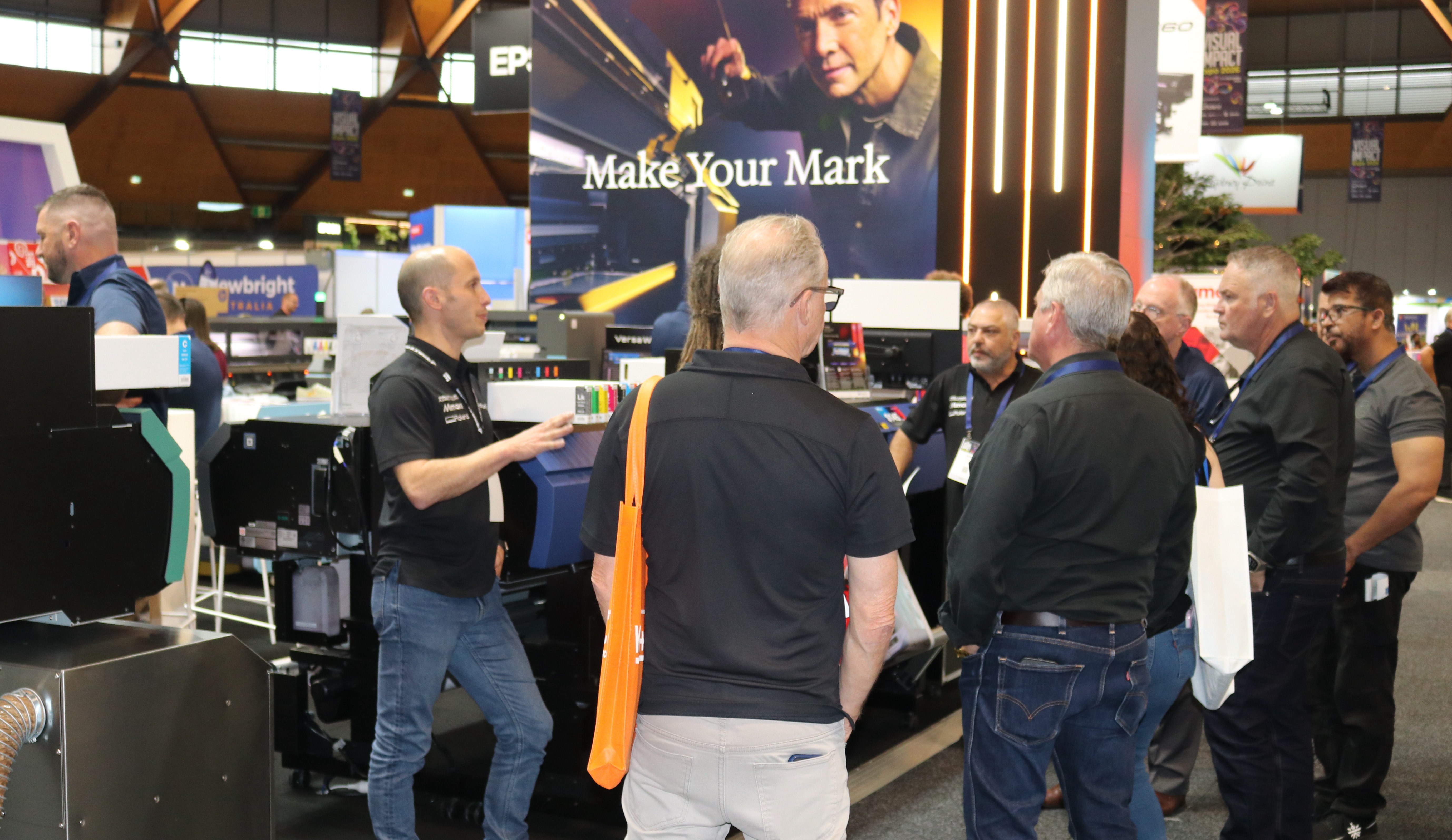
Visual Impact Trade Show 2026
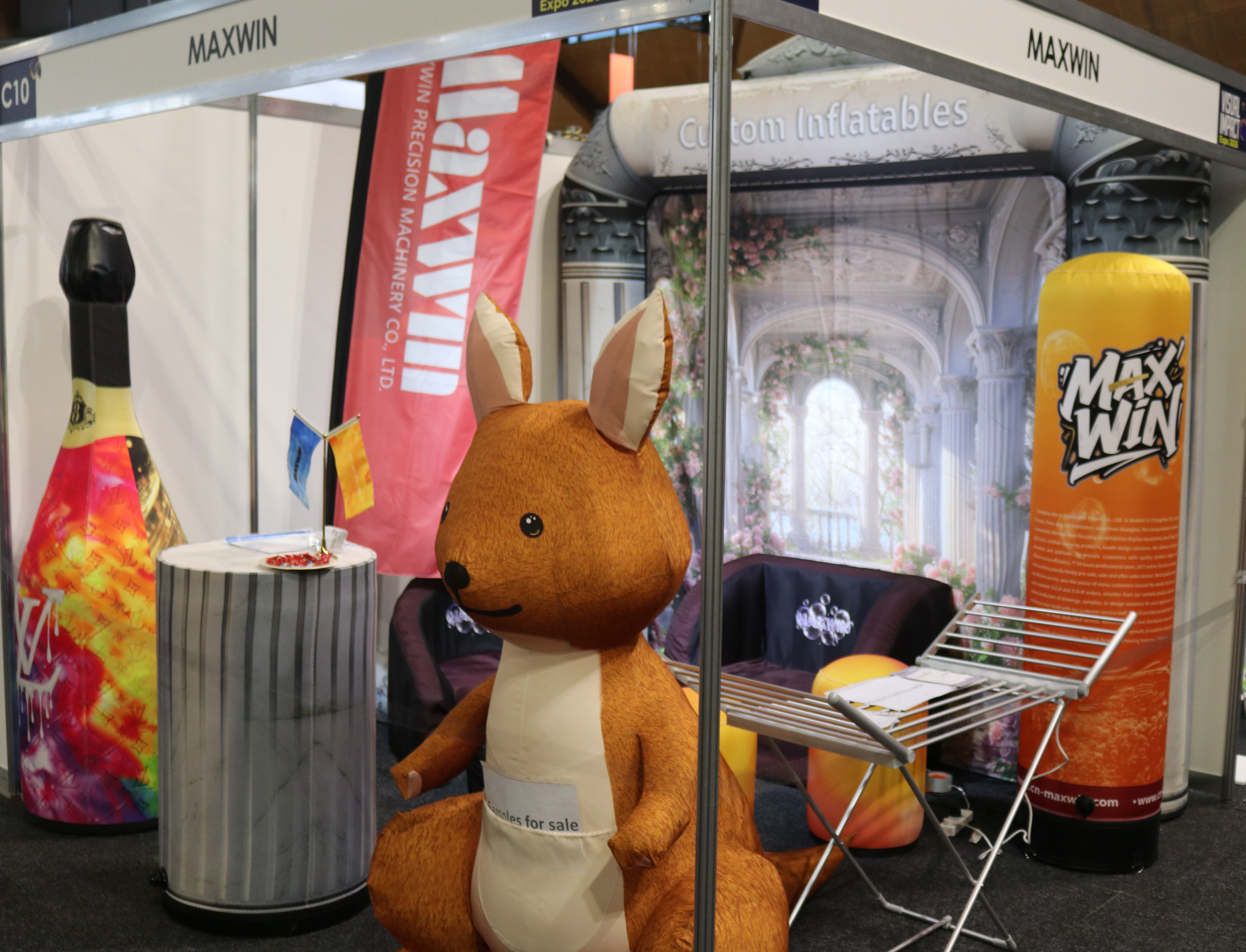
The Visual Impact 2026 Expo was a highly successful and well attended event, creating a strong sense of energy across the exhibition floor. Visitors had the opportunity to see and interact with an impressive range of new technologies, equipment and consumables, providing a valuable look at the products and solutions shaping the future of the industry.
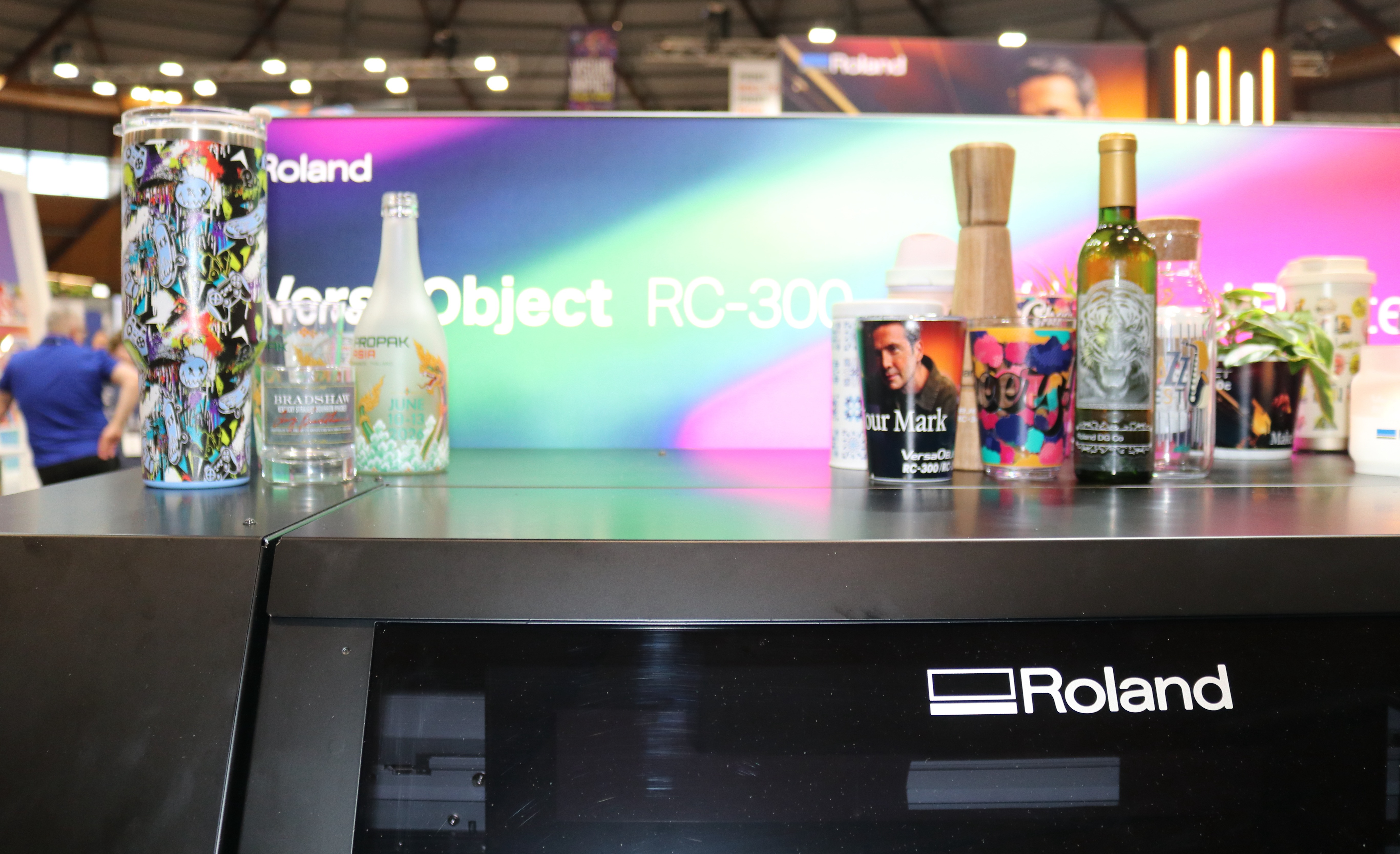
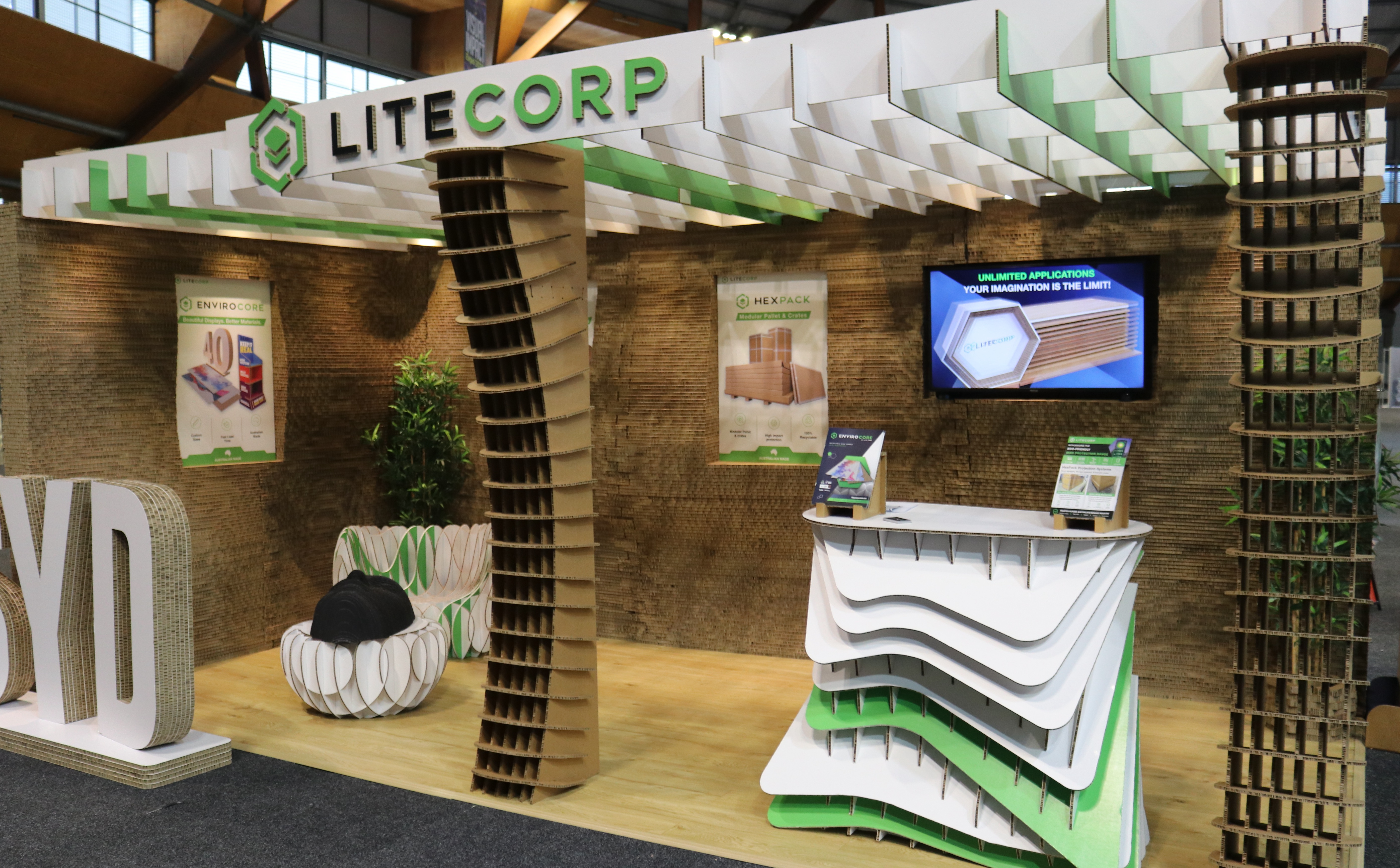
The exhibition stands themselves made a strong impression, with exhibitors presenting their products and capabilities in engaging and professional environments. For visitors, this meant being able to explore new technologies in a practical setting, ask questions and gain a better understanding of how emerging solutions could be applied within their own businesses.
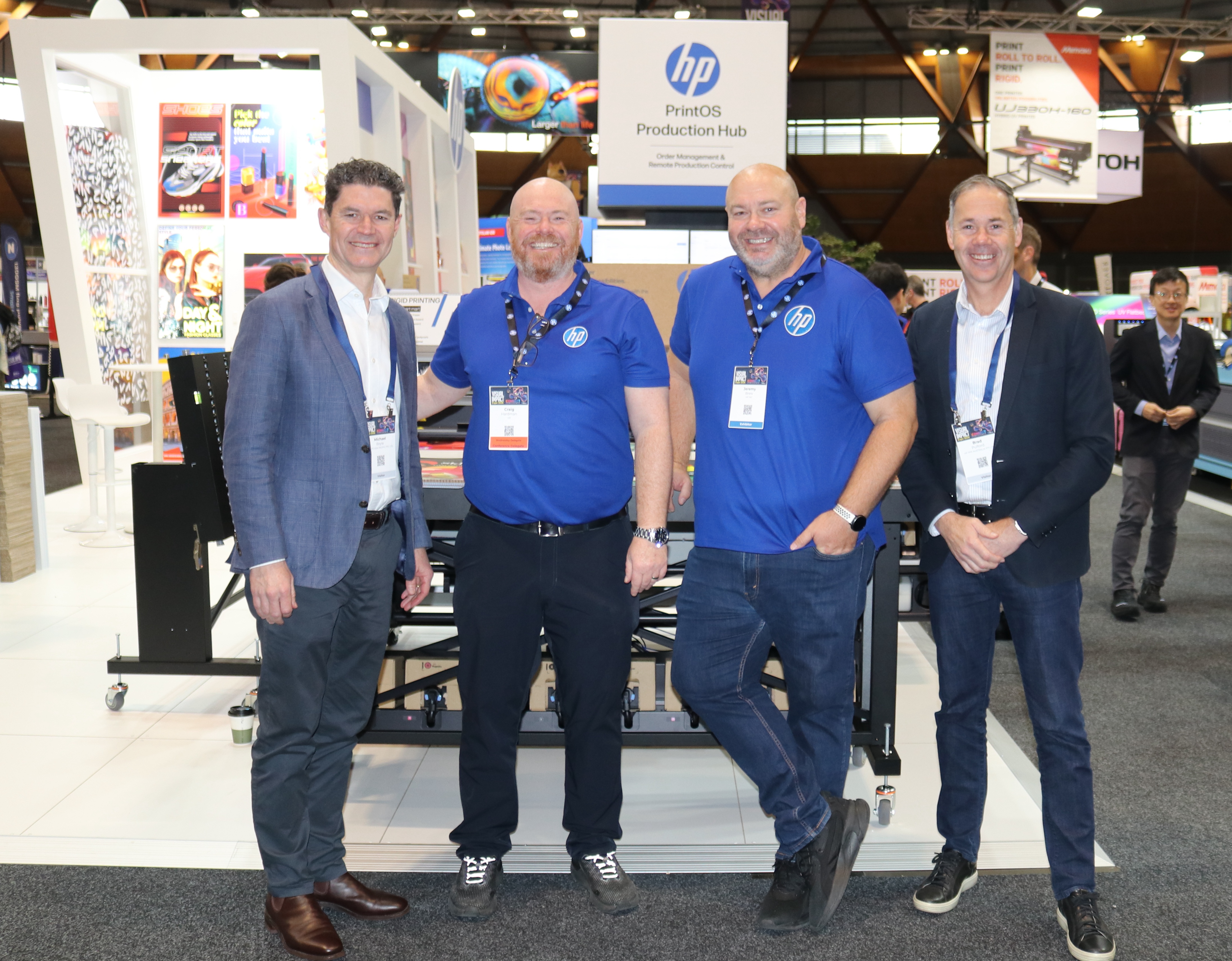
For exhibitors, the event also delivered strong commercial results. Many reported significant sales and a healthy number of new leads, demonstrating the value of bringing the industry together in person.
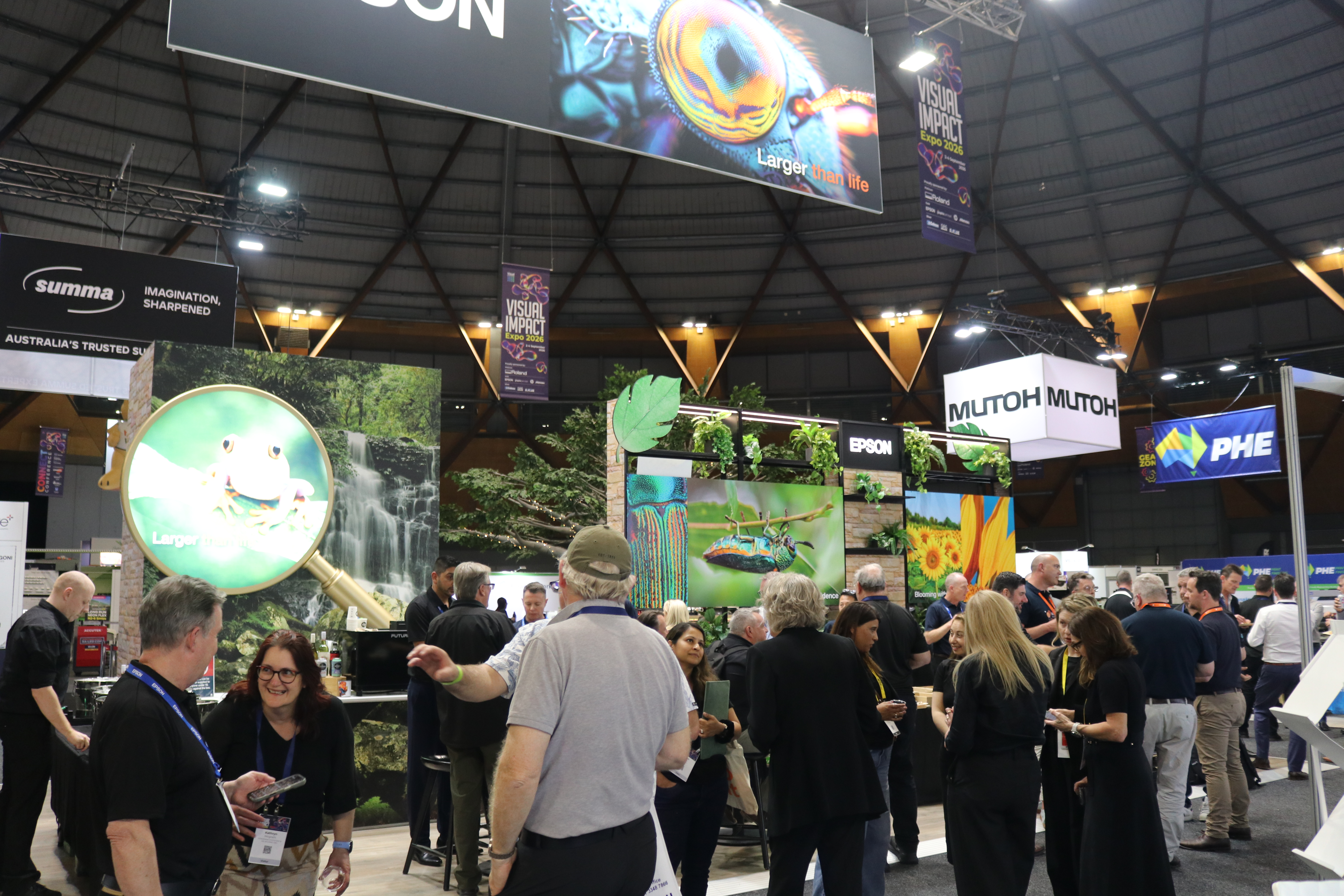
Perhaps most importantly, Visual Impact 2026 was enjoyed by everyone involved. The combination of new technology, industry connections and face to face interaction created an environment that was both commercially valuable and genuinely engaging.
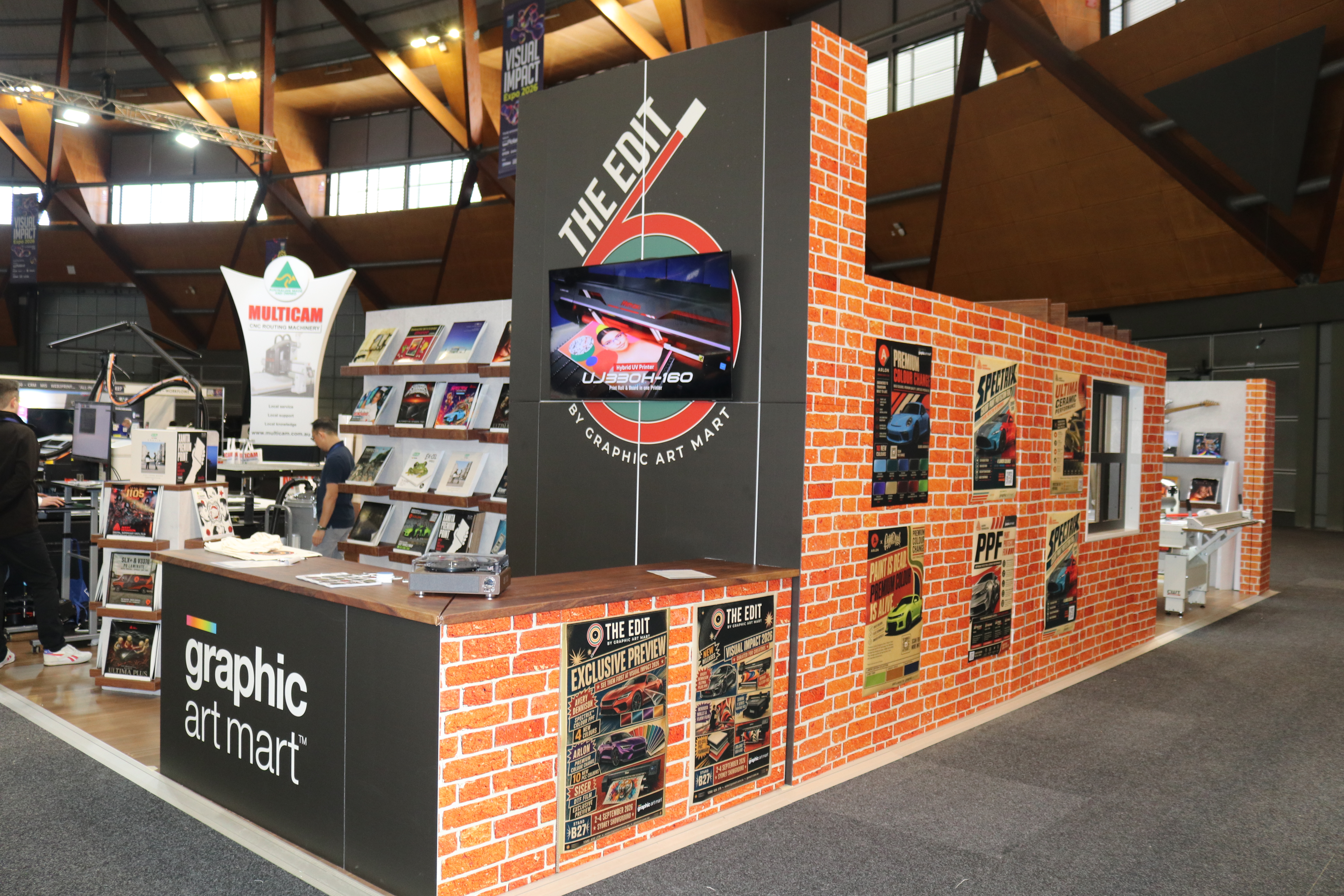
The trade show also provided the perfect setting for the broader conversations taking place through the Connect Conference, where the focus moved beyond products and equipment to the challenges and opportunities facing businesses across the sector.
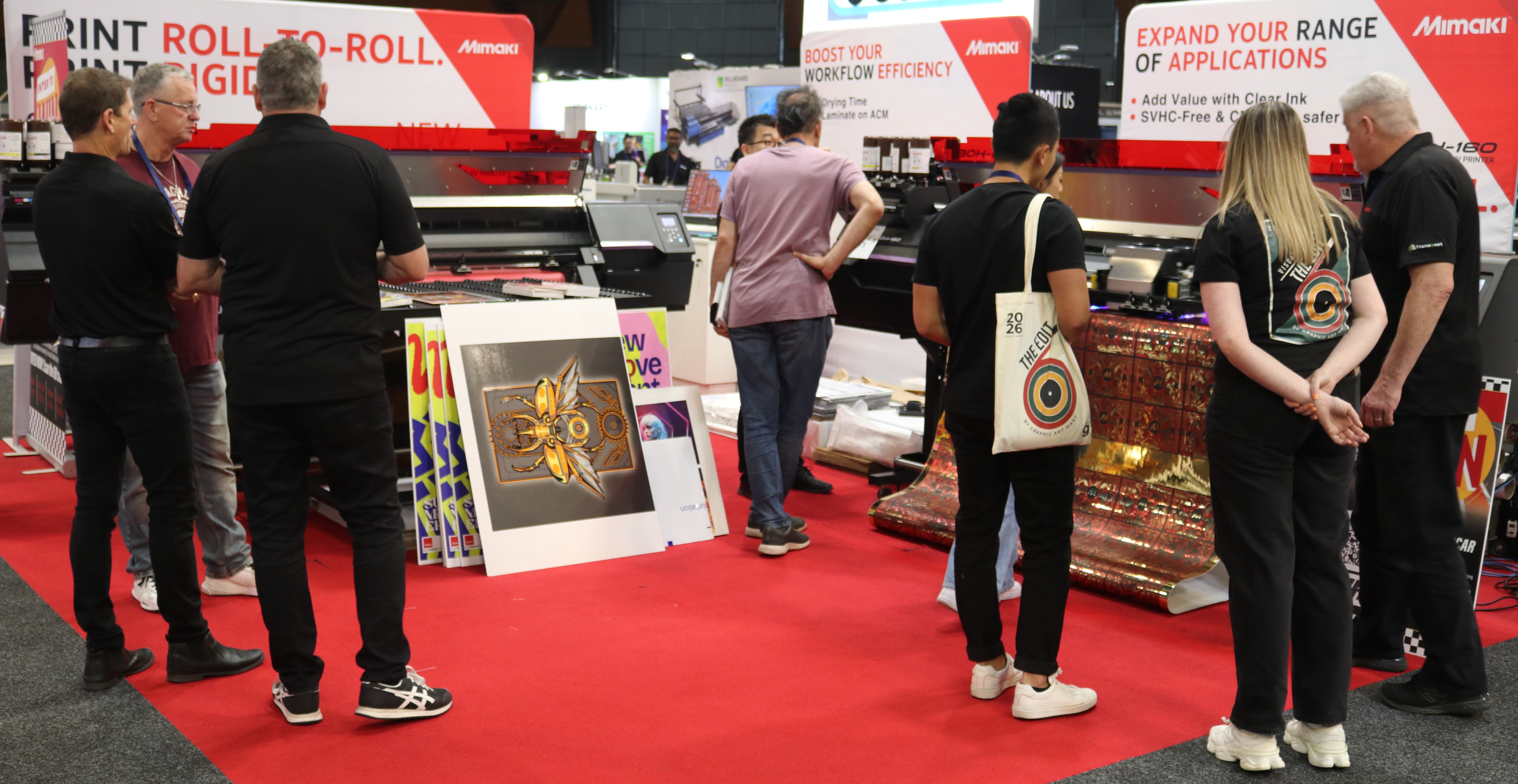
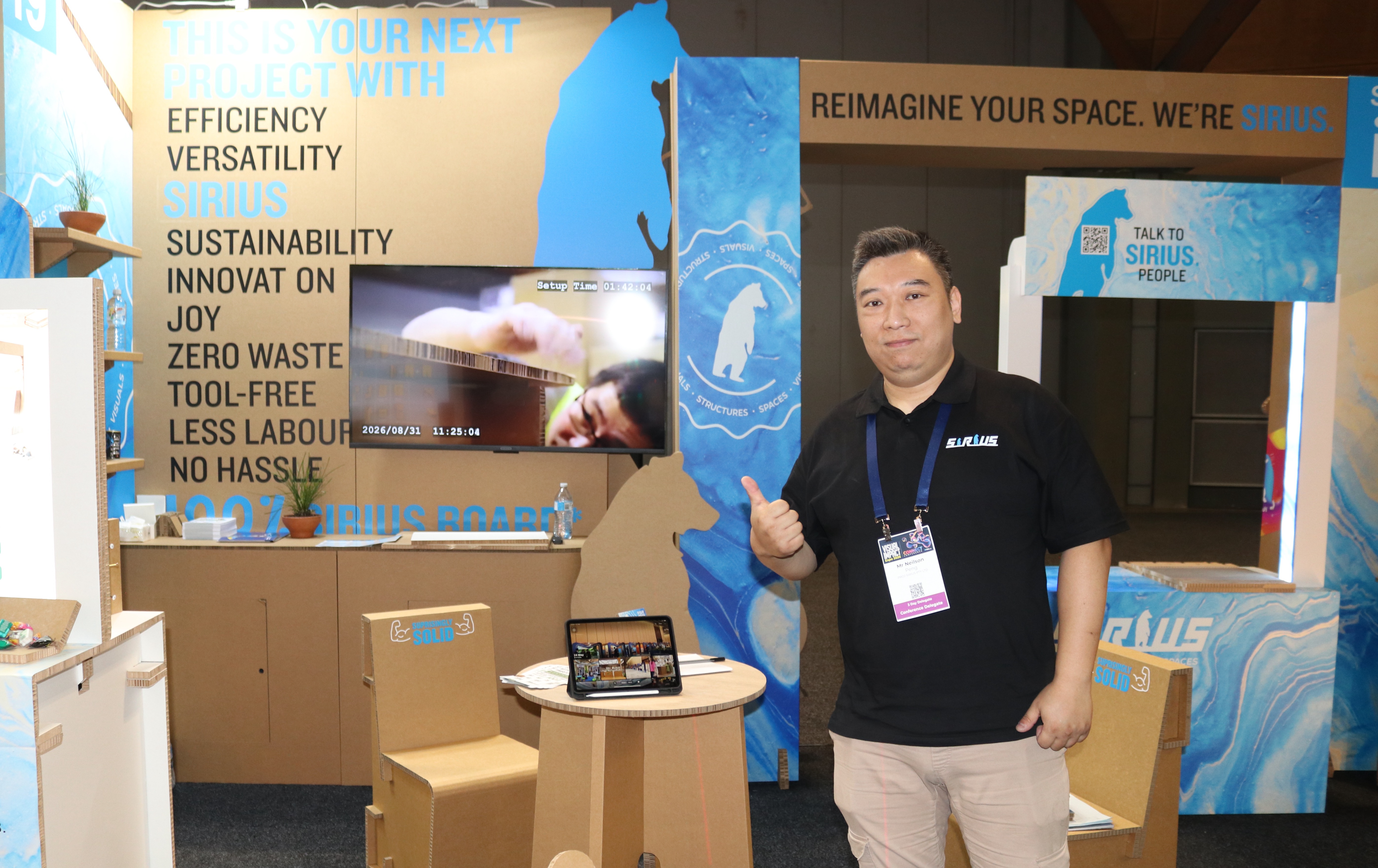
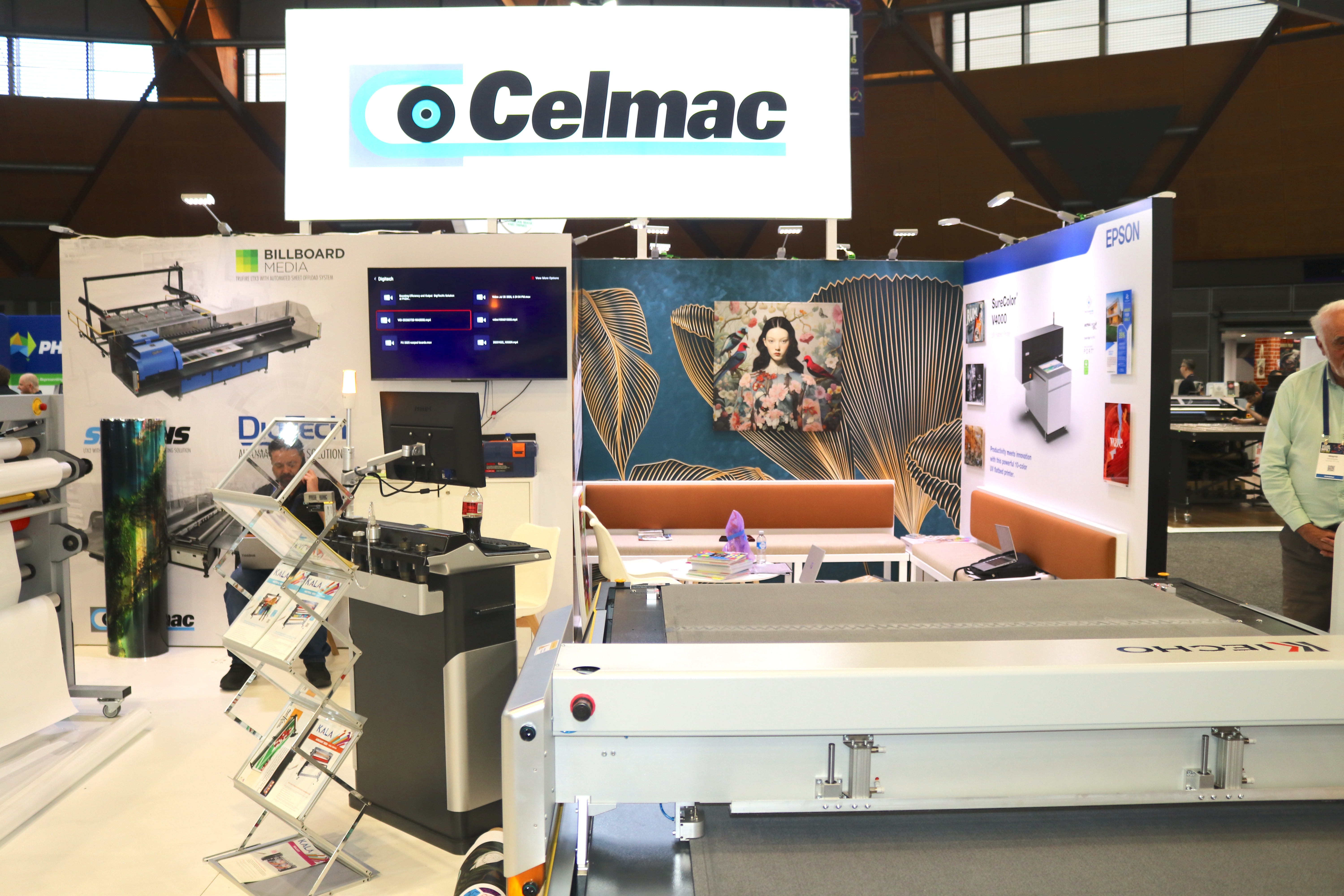
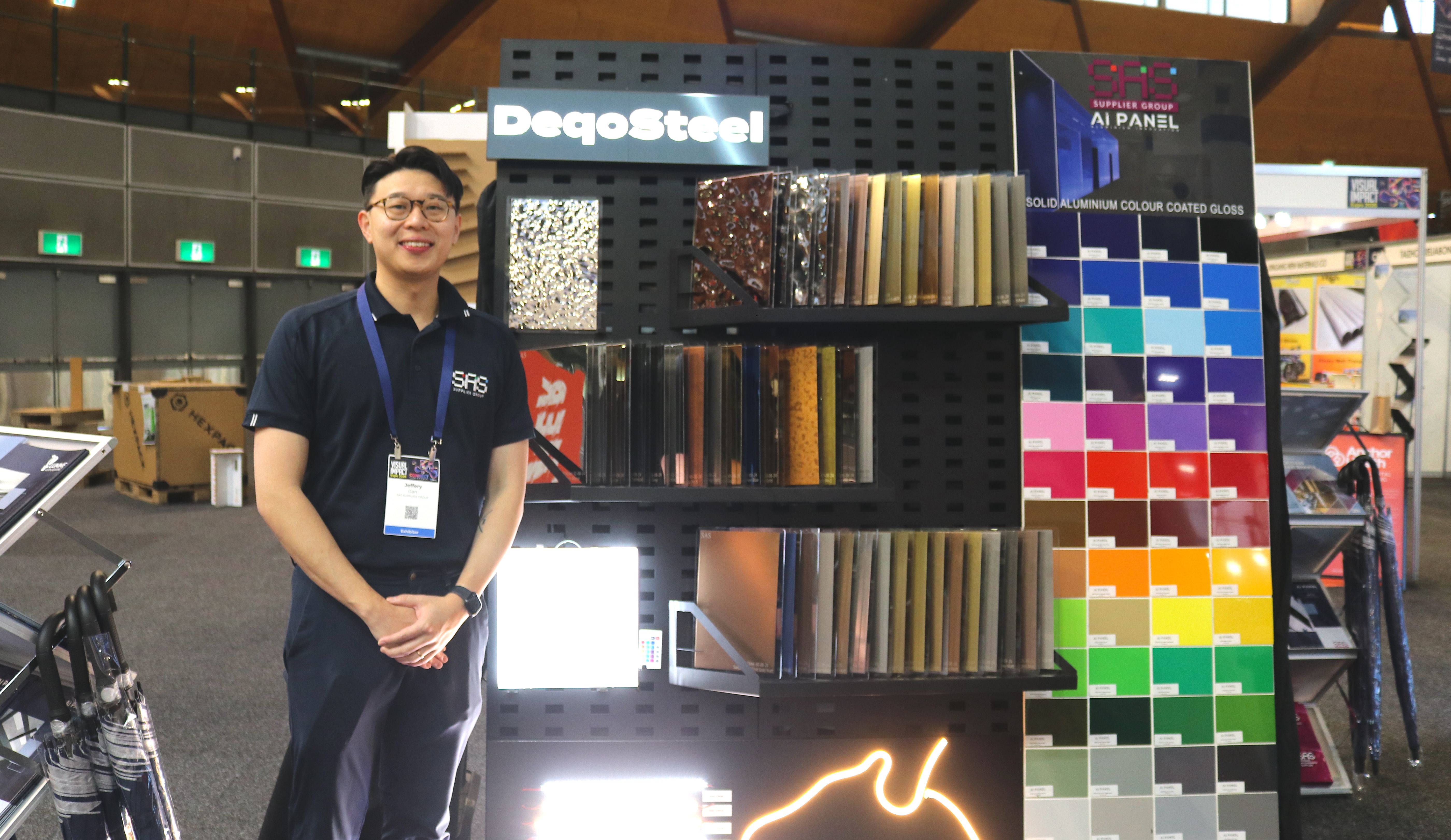
Best Stand Winners
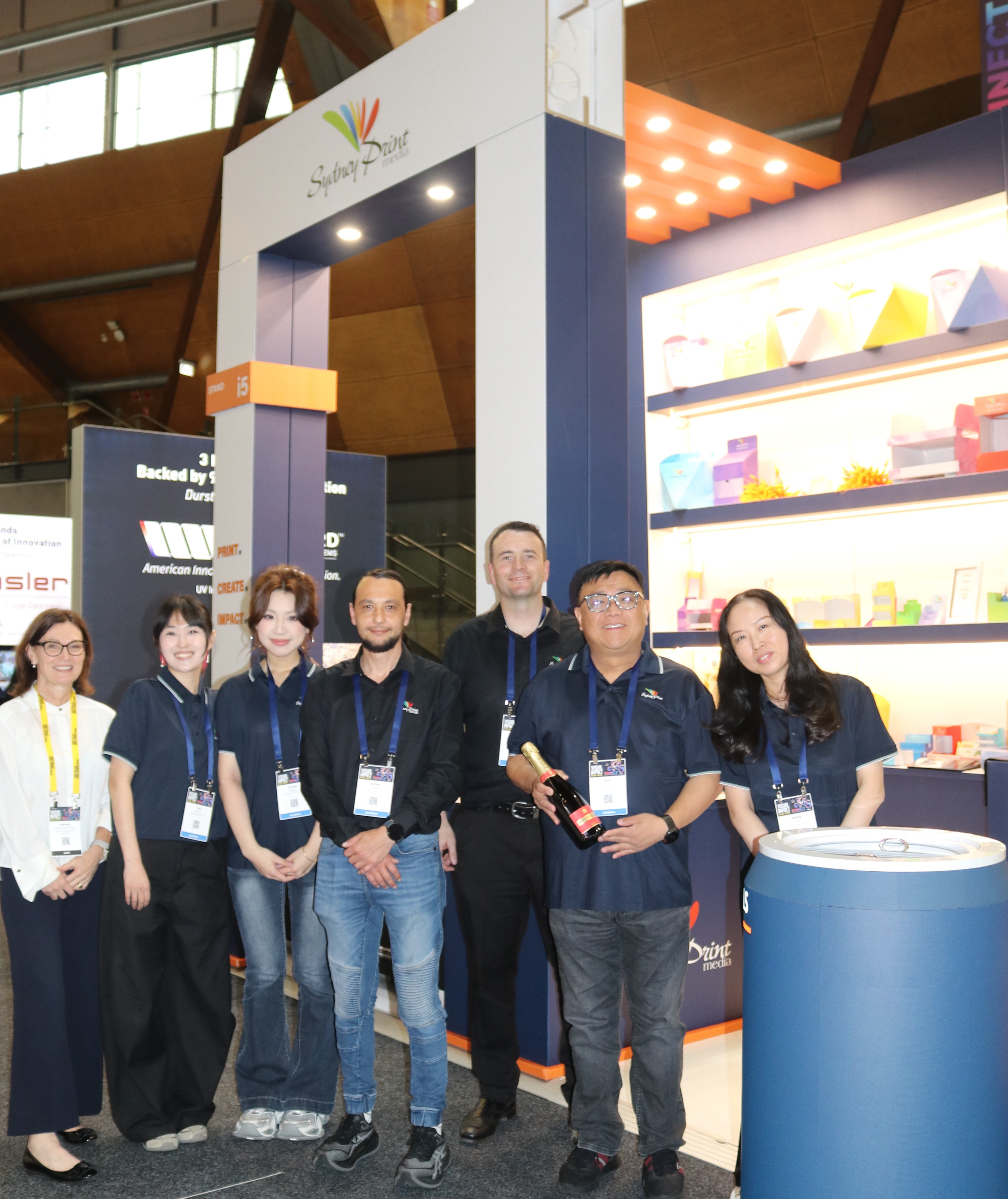
It wouldn't be a Visual Impact show if we didn't have spectacular stands designed and developed by the amazing exhibitors. This year, in a field of exceptional displays, there were two that really did 'stand out' because of their innovative design, visual impact, and ability to show the depth of their product range.
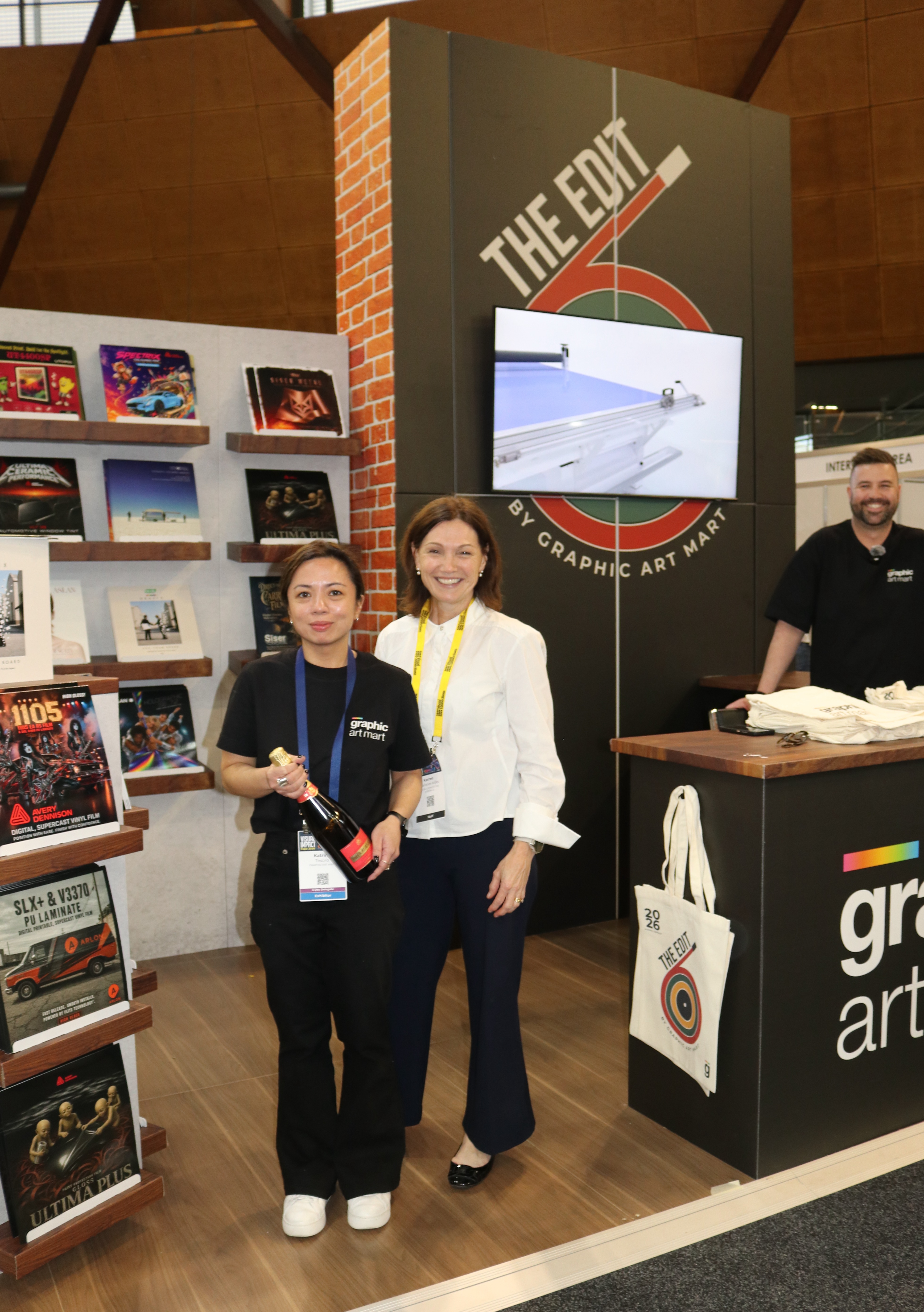
Graphic Art Mart hit the spot with 'The Edit'. Whilst Sydney Print caught people's attention with their elegant, bright, subtle styling.
Connect Conference: Better Business Explored
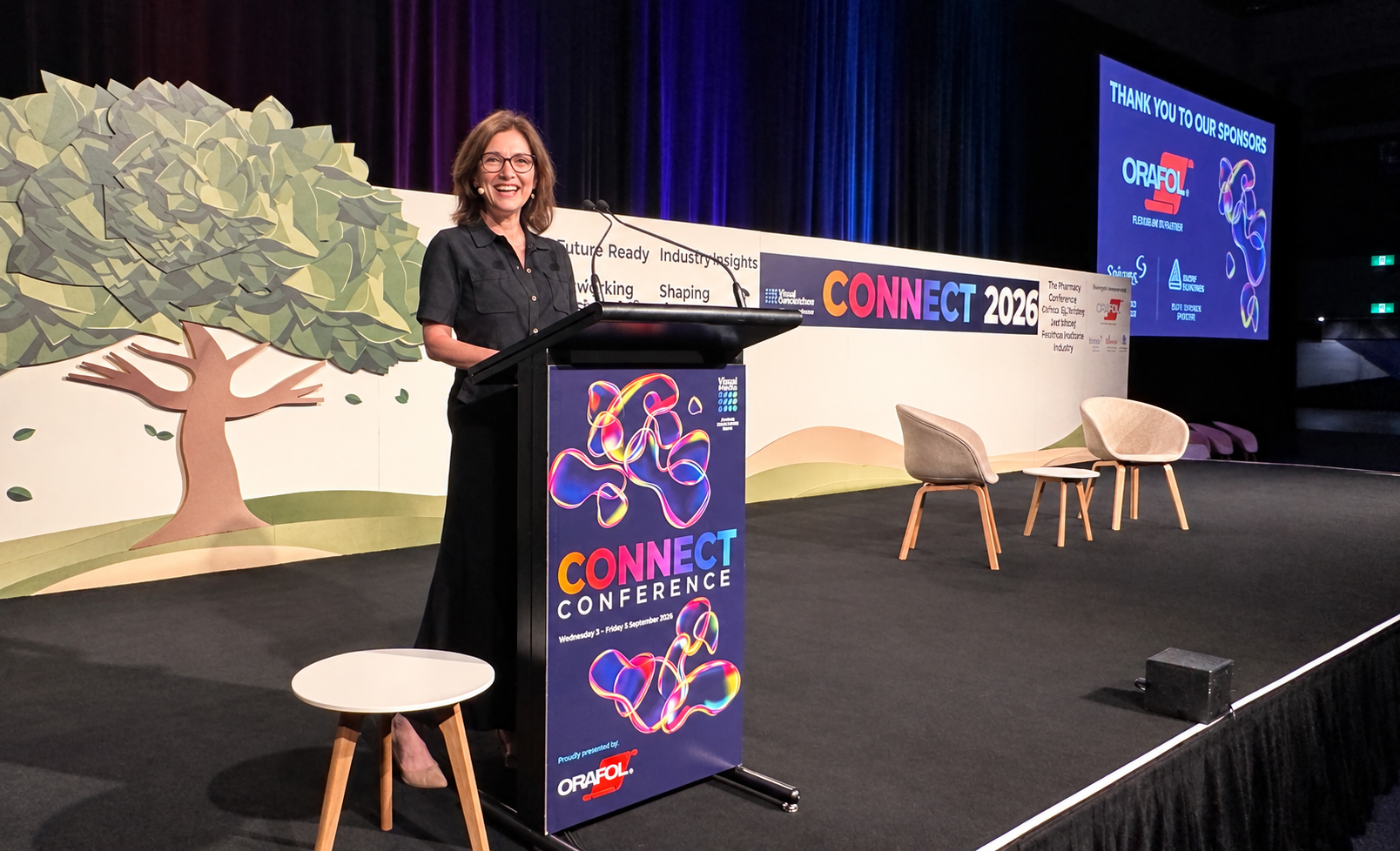
The Connect Conference 2026 provided a thoughtful and wide-ranging program designed to help business leaders understand change, identify opportunities and prepare their organisations for the future.
Visual Connections CEO Karren Challoner Miles set the tone by recognising that businesses across the sector, and beyond, are facing a multitude of challenges alongside a wide range of opportunities. Across three days, delegates explored innovation, leadership, talent and training, sustainability, business performance, cybersecurity, technology and the growing influence of artificial intelligence.
Day One: Leadership, People and the Future of Business
Day One opened with an international industry panel featuring Linda Edwards, Managing Director of the British Sign & Graphics Association, Ford Bowers, CEO of the US based PRINTING United Alliance, Lori Anderson, President and CEO of the International Sign Association, and Nigel Davies, President of FESPA Australia.
Hosted by Karren Challoner-Miles, the discussion provided an international perspective on some of the major issues affecting the sector. Generational change, talent acquisition, sustainability, emerging technologies, disrupted supply chains and global instability were among the topics explored. The discussion demonstrated that many of the challenges facing Australian businesses are part of much broader international trends. At the same time, it highlighted the opportunities available to companies willing to adapt, innovate and consider new approaches.
Steve Vamos, former CEO of Xero and NineMSN, then brought more than four decades of leadership experience to the conference. Reflecting on the current excitement and uncertainty surrounding artificial intelligence, he compared the AI conversation with previous waves of technological change.
His central message was particularly relevant for an industry experiencing rapid technological development. Technology itself does not innovate. People do. Technology provides the means to develop ideas, amplify potential and achieve new outcomes, but business leaders need to identify where that potential exists and determine how technology can best be used.
The focus then turned to one of the most important issues facing the industry: attracting and developing talent.
Megan Lilly, Acting Commissioner for Jobs and Skills Australia, joined Paul Richards, Head Teacher, Sign and Graphics from Sydney TAFE, John Watters, Executive Officer at AusSIP, and Charbella Ayoub, Signwriter from Cunneen Signs, for a discussion hosted by Visual Connections Editor Robin Griffith.
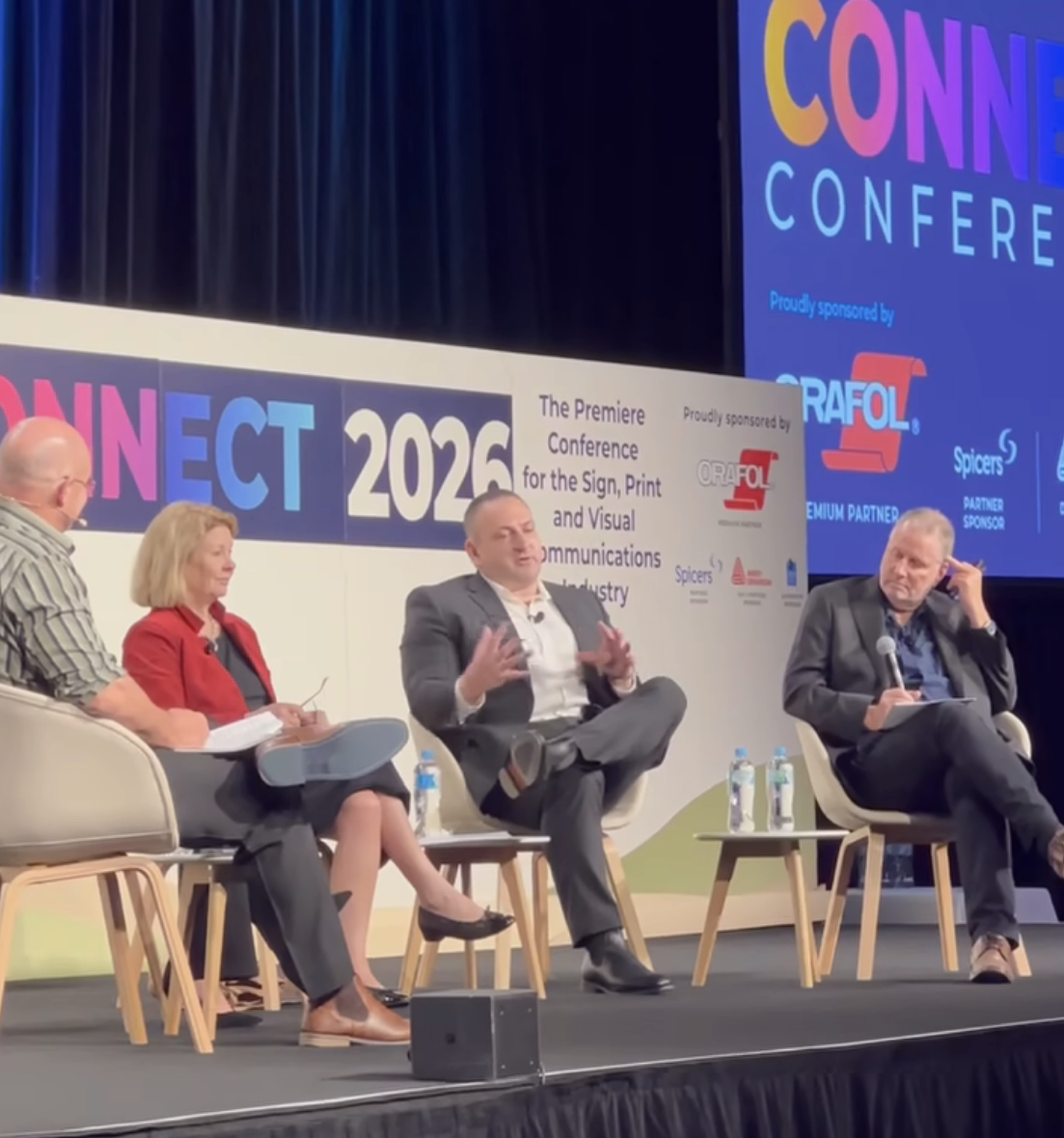
The conversation examined the role of government in creating a strong training environment, the structure and delivery of training, and the importance of considering the perspectives of parents, teachers, employers and registered training organisations. It offered valuable insight into not only what the industry needs from its training system, but also what motivates people to enter the industry and, importantly, what encourages them to stay.
Day One concluded with keynote speaker Dr David Cooke, an ESG leader and author, who explored leadership, motivation, success and the creation of profitable businesses that can also make a positive contribution to the wider world. Drawing on his experience with global businesses including Konica Minolta, Canon and Xerox, Dr Cooke encouraged leaders to recognise the importance of their people and the example they set through their own behaviour.
He also encouraged delegates to pay attention to what he described as the moments that matter, those moments of connection, truth and insight that can have a lasting impact on people and organisations. His closing question provided a fitting challenge for business leaders: can profit be the fuel that enables a business to exist in the service of something beyond itself?
For a day focused on leadership, people, innovation and the future, it was a powerful way to conclude the program.
Day Two: Sustainability, Performance and Commercial Opportunity
Sustainability was the central theme of Day Two, with the program looking beyond the broad principle of sustainability to focus on practical strategies businesses could implement.
The day began with a fireside chat on sustainability as a tool for value creation. Brett Spicer, Senior Sustainability Professional from Bird and Bower Advisory, spoke with Mel Ireland, Manufacturing Hub Manager with the Queensland Government, about turning sustainability into practical business outcomes.
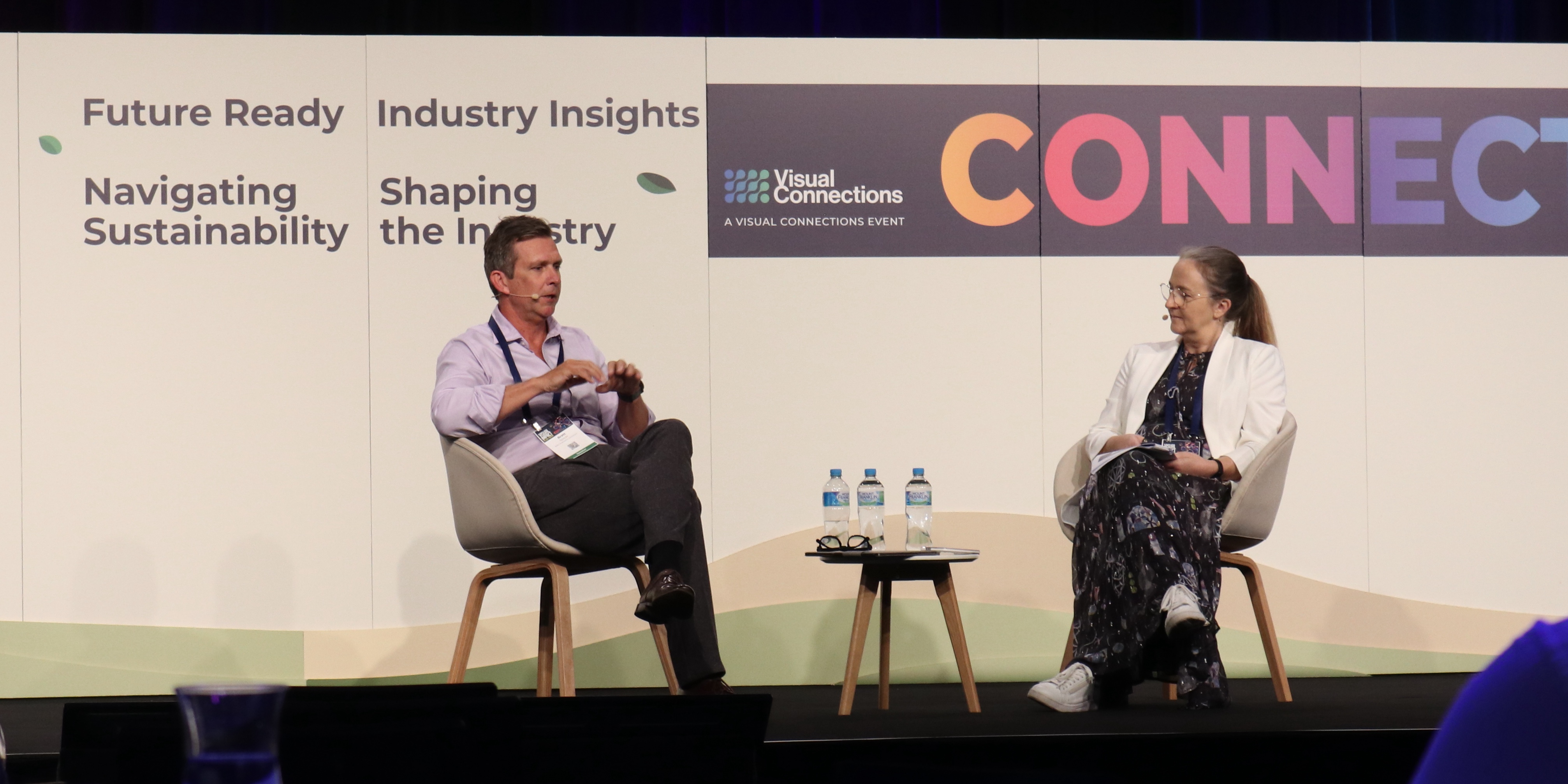
Brett encouraged businesses to view sustainability as a commercial opportunity rather than simply an obligation. With customers becoming increasingly informed and demanding, businesses have an opportunity to examine their value chains, identify opportunities and embed sustainability into everyday processes. The message was clear: sustainability can contribute to better decision making and greater profitability when social, environmental and economic considerations are brought together.
The conference then turned to leadership and performance through a highly anticipated conversation featuring Gillon McLachlan, CEO of Tabcorp and former CEO of the AFL, in discussion with Matt Aitkin, Managing Director of IVE Group.
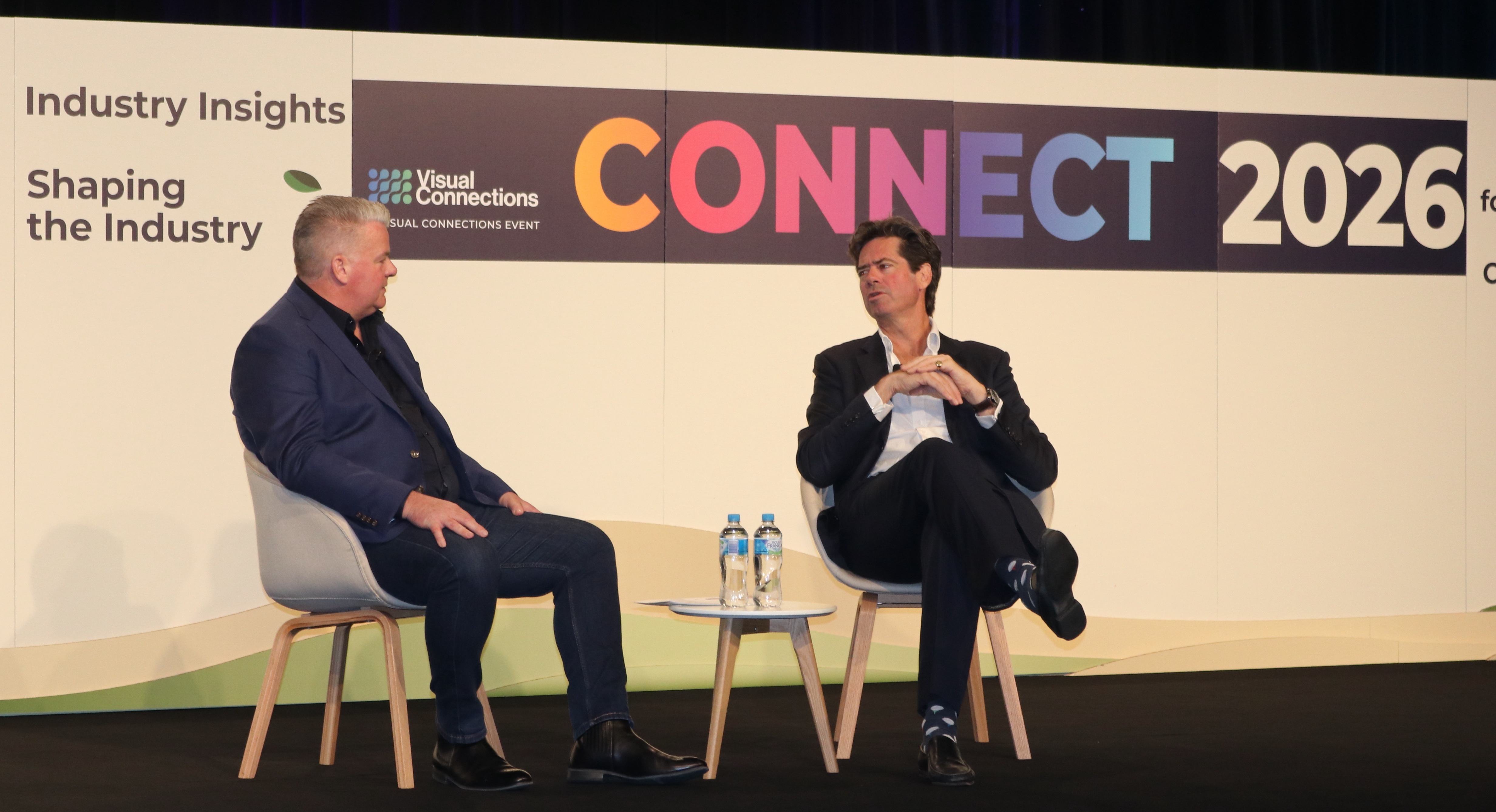
Drawing on his experience in both sport and business, Gillon discussed the challenges and opportunities he encountered during his leadership of the AFL and in his current role within a public company. He highlighted principles that apply across both sport and business, including courage, teamwork, careful planning, honest reflection on failure and the importance of celebrating success.
The conversation was followed by insights into resource recovery, recycling and the transition towards a circular economy from Gayle Sloan of the Waste Management and Resource Recovery Association of Australia. The focus was on finding ways to use less and retain the value of products, materials and systems for longer. One of the key messages was that the strongest circular outcomes can be achieved by creating products that never become waste in the first place.
Barbara Albert, CEO of 100% Renewables, continued the practical sustainability discussion by addressing the pressures businesses face as costs rise while customer expectations continue to increase. Rather than waiting for a perfect solution, she encouraged businesses to focus on measures that can reduce costs, protect or grow revenue, reduce environmental impacts and be realistically implemented.
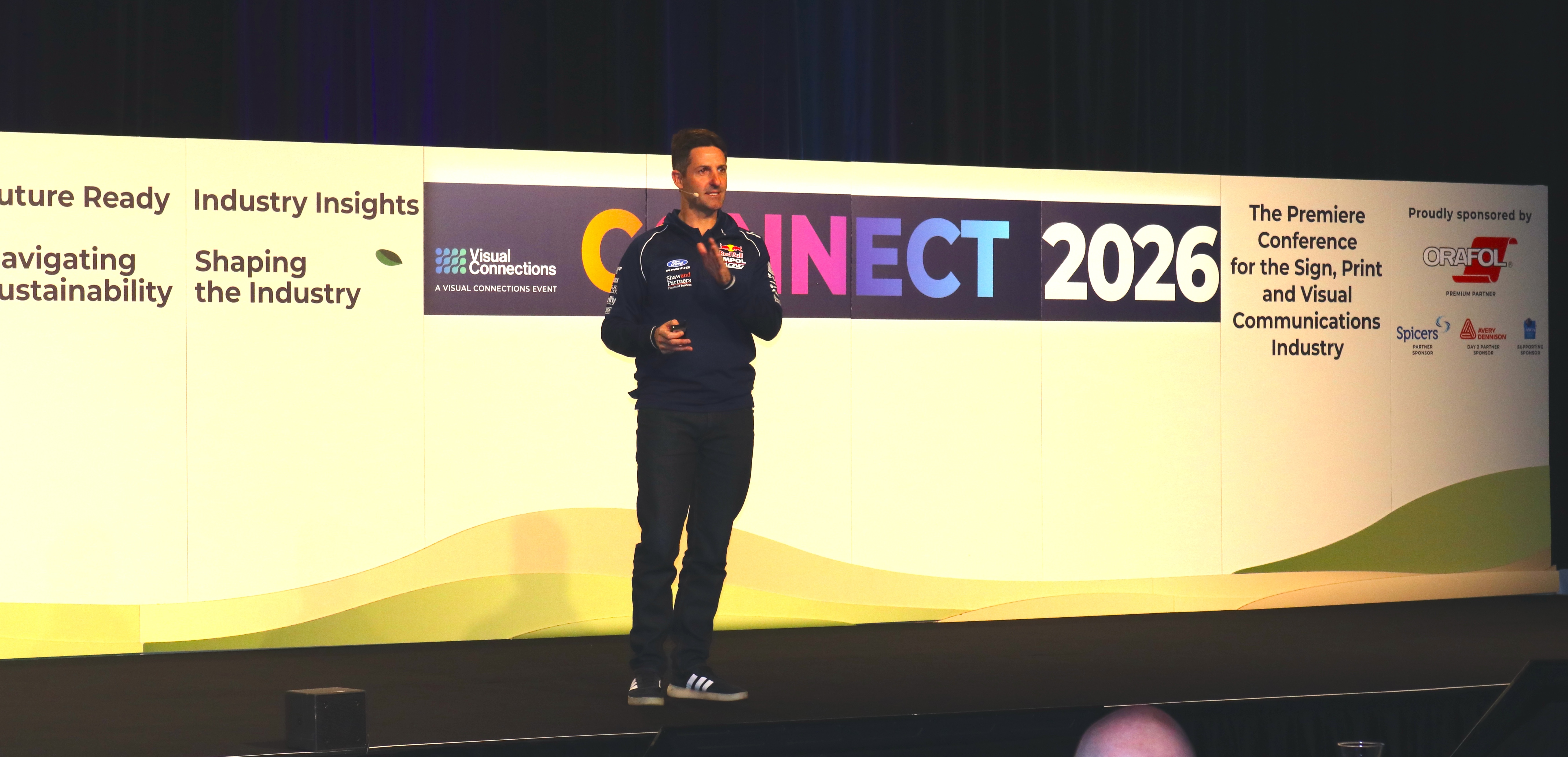
The day also featured a keynote from Supercars legend Jamie Whincup, now Managing Director and owner of Triple Eight Race Engineering and Team Principal with the Red Bull Ampol Racing Team. Jamie explored competition, performance and the ingredients required for success. His presentation considered the importance of commitment, balancing sponsor requirements with performance, and realising potential across individuals, teams and businesses.
The final session featured Scott Maynard, Head of Market for Polestar Australia, who provided an insight into how a high-performance electric vehicle brand has incorporated sustainability and corporate responsibility throughout its value chain and operations. His discussion also explored the passion behind Polestar's continuing pursuit of Project Zero, providing delegates with another perspective on how sustainability can become embedded within an organisation's broader strategy.
Day Three: Embracing Change and Preparing for the Future
If there was one message that united the speakers on Day Three, it was that change is unavoidable.
The ability to embrace change, adapt and identify new opportunities could ultimately determine which businesses struggle and which businesses thrive.
The day began with Neil Brener, Head of Operations for JC Decaux Australia, and Matt Fitzpatrick, General Manager for Signarama, joining Karren Challoner Miles for a discussion about trends in signage and outdoor advertising. The conversation explored the global business models of both organisations and highlighted the continuing importance of combining print and digital approaches. Both speakers also emphasised the value of people and their ability to innovate, create value and identify new opportunities.
Cybersecurity and business adaptability then came into focus, with Richard Williams, Managing Director of Precisions Solutions Group, delivering a keynote on cyber awareness. Richard discussed the value contained within the knowledge and intellectual property held by employees. Capturing and codifying this knowledge can support business growth, reduce costs, improve margins and increase business value. However, he also highlighted the importance of recognising the risks involved and putting appropriate measures in place to protect that intellectual property.
The future of signage in Australia was then examined in a panel led by ASGA President Mick Harrold. He was joined by Steve Lambourne, Director of SS Signs, Andrew Hall from Factory One and Callan Laughton, Managing Director of Insigns. One of the strongest messages from the discussion was that technologies such as 3D printing and artificial intelligence are not simply developments to watch from a distance. They are technologies that signage businesses should already be exploring and embracing if they want to remain competitive.
Artificial intelligence then took centre stage.
Renowned economist and former Federal minister Dr Craig Emerson considered whether AI will strengthen the printing and signage industries or potentially threaten their future.
Looking at the way industries have responded to technological change over previous decades, Dr Emerson suggested that AI and advanced robotics represent a scale of change comparable with major technological transformations of the past. Despite the enormity of the change ahead, his message was optimistic. The ability of print and signage businesses to adapt, evolve and embrace new opportunities throughout their history provides strong grounds for confidence about the future.
The final session featured Dr Xun Li, CSIRO Team Leader and Senior Researcher, who demonstrated how AI is already contributing to practical innovation across areas including agriculture, robotics, automation and healthcare. Her case studies illustrated the potential for AI to improve efficiency, reduce labour intensive work, support better decision making and create tangible outcomes across a wide range of industries.
It was an appropriate conclusion to a conference focused on preparing businesses to be future ready.
ASGA Awards 2026
The 2026 Easy Signs National Sign & Graphics Awards and the Gala Presentation Dinner were hosted by the Australian Sign & Graphics Association and organised by Visual Connections Australia, formed an important part of the Visual Impact 2026 experience, providing an opportunity for the industry to recognise and celebrate excellence within the signage sector.
This year’s Awards were proudly sponsored by Diamond Sponsor Easy Signs; Gold Sponsors Avery Dennison, ORAFOL, Spandex and Visual Connections, and Bronze Sponsors Currie Group, HP, Pozitive Sign & Graphic Supplies, and SMIB.
Together, Visual Impact, Connect Conference and the ASGA Awards demonstrated the breadth of Australia's visual communications and signage sector. The event was not simply about showcasing what the industry can do today. It was also about asking what comes next.
Looking Ahead
Visual Impact 2026 offered a valuable snapshot of an industry in transition. New technologies are changing the way businesses operate. Artificial intelligence and automation are creating new possibilities. Sustainability is moving from an environmental consideration towards a commercial and strategic priority. At the same time, people, leadership, skills and the ability to adapt remain at the heart of successful businesses.
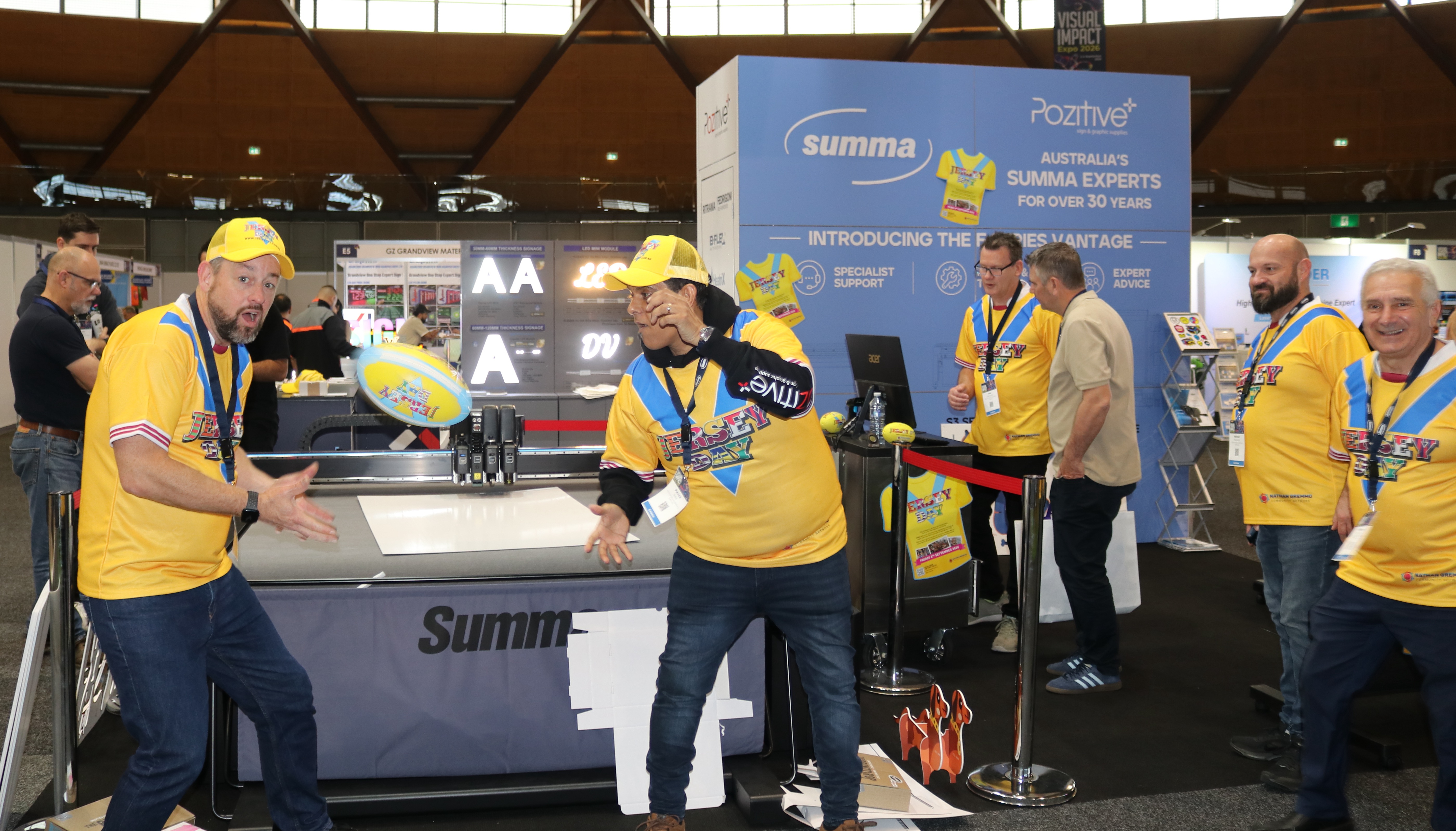
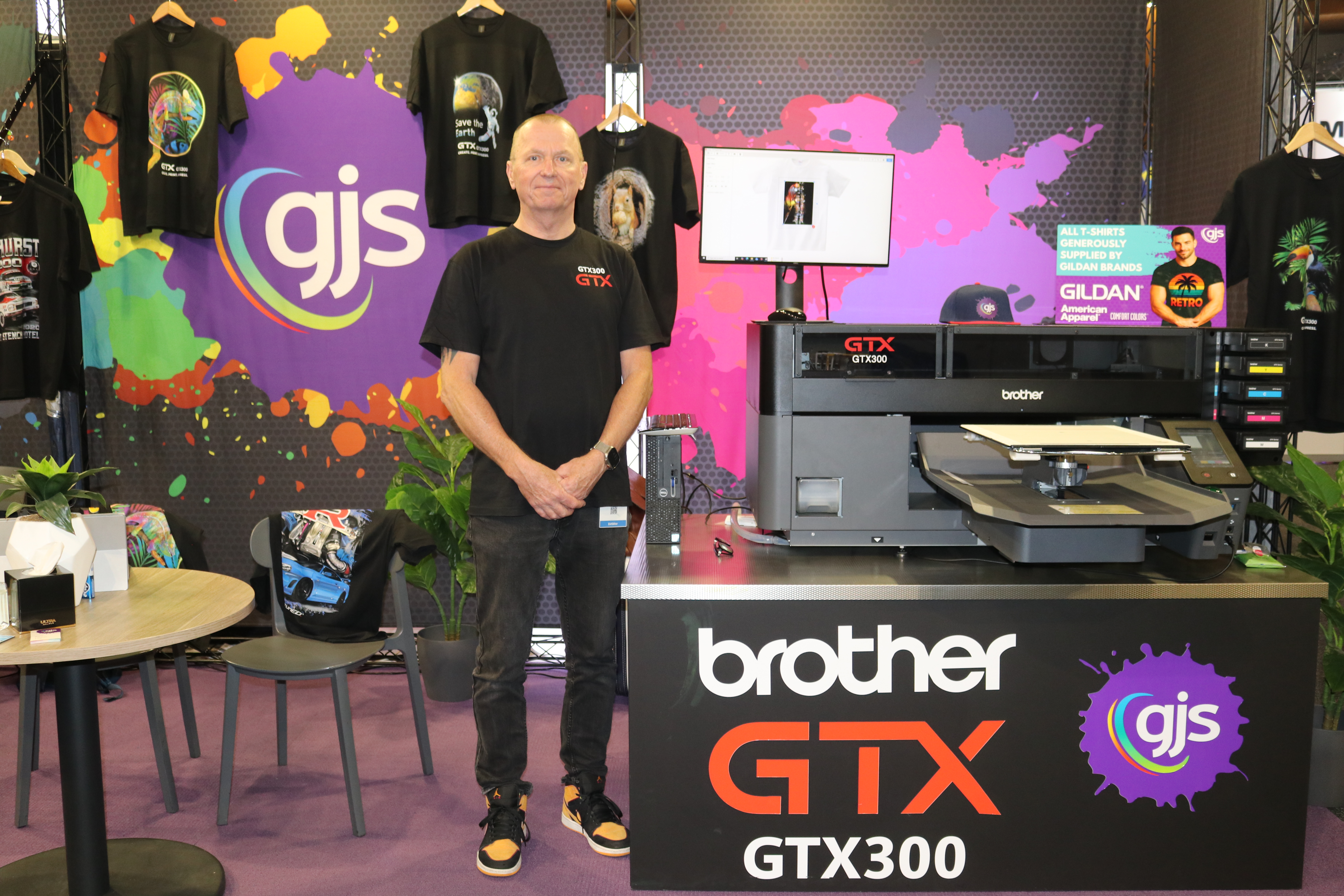
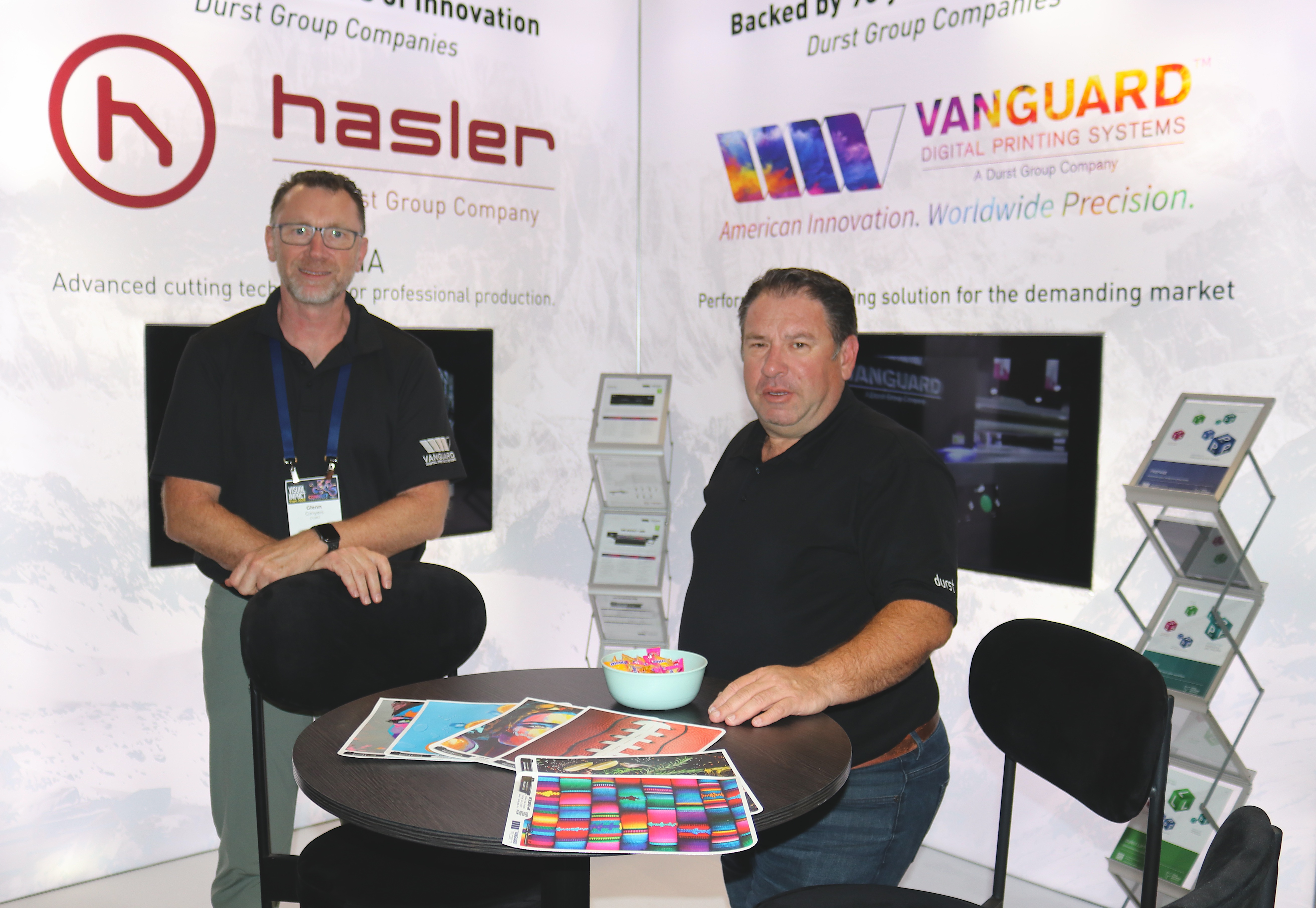
The exhibition demonstrated the strength of the market through new products, technologies, consumables, strong sales and valuable industry connections.
The Connect Conference added another dimension, encouraging delegates to look beyond the immediate challenges of running a business and consider the larger forces shaping the future.
And through the ASGA Awards 2026, the industry had the opportunity to recognise the people and organisations helping to drive that future forward.
Taken together, the three elements created an event that was informative, commercially valuable and celebratory, while reinforcing a simple message: the future belongs to businesses that are prepared to learn, adapt, innovate and embrace change.
In 2027, Visual Connections has locked in the Connect Conference plus a mini expo called PacPrint-in-Action - an applications-based event with only 40 stands available (as a lead up to PacPrint 2028). Hosted at the MCEC, the conference and mini expo will be on from 1-2 September 2027.
Would you like to know more about PacPrint-in-Action or any sponsorship opportunities? Contact Karren exhbitions@visualconnections.org.au